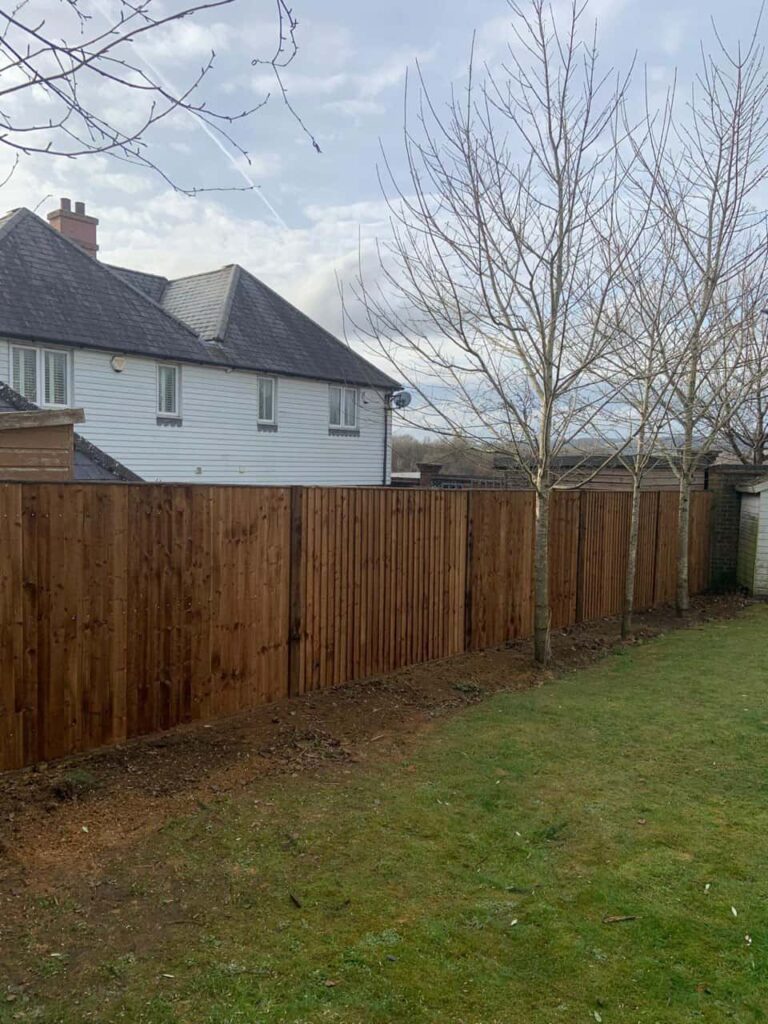
Wood Fence Panels: How to Choose the Right Style for Your Garden
Wood fence panels are a popular choice for homeowners who want to improve garden privacy, define boundaries and create an attractive outdoor space. With different designs, heights and finishes available, choosing the right panels involves more than simply finding a style that looks appealing. The fence should also suit your garden layout, provide the level of privacy you need and withstand changing weather conditions.
For homeowners in Mundford, Norfolk, selecting suitable fencing can make a noticeable difference to the appearance and functionality of a garden. At Fast Fix Fencing Mundford, we provide fencing repairs to help keep garden fences secure, practical and well maintained. Understanding the available panel styles can help you make an informed decision when repairing or updating your existing fence.
Understanding the Different Types of Wood Fence Panels
Before choosing new panels or arranging repairs, consider how you use your garden and what you want your fencing to achieve. Different panel designs offer distinct advantages in terms of privacy, appearance and durability.
Closeboard Fence Panels for Privacy and Strength
Closeboard fencing is a practical option for gardens where privacy and a solid boundary are priorities. These panels typically feature overlapping vertical boards supported by horizontal rails, creating a robust structure with minimal gaps.
This style works well for gardens overlooked by neighbouring properties or outdoor areas where you want to create a more secluded setting. Its sturdy construction can also provide a dependable boundary when the supporting posts and fixings are properly maintained.
If your existing closeboard fence has loose boards, damaged rails or sections that lean, professional fencing repairs can help restore its stability and extend its useful life.
Overlap Fence Panels for a Traditional Garden
Overlap fence panels feature horizontal timber boards arranged with overlapping edges. Their straightforward design makes them suitable for many traditional gardens, providing a simple appearance and a useful level of screening.
However, timber can deteriorate over time, particularly when moisture becomes trapped or panels remain in contact with damp ground. Regular inspections can help identify early signs of damage, including loose boards, splitting timber and weakened fixings.
Repairing isolated problems promptly may prevent damage from spreading to neighbouring sections of the fence.
Slatted Fence Panels for a Contemporary Look
Slatted wood fencing offers a more modern appearance, with horizontal or vertical timber strips separated by small gaps. This design allows some light and air to pass through while still creating a clear boundary.
Slatted panels may suit gardens where maintaining an open feel is important. However, the gaps mean they generally provide less privacy than solid panels, so consider the position of seating areas and the views into your garden before choosing this style.
Decorative Panels for Visual Appeal
Decorative timber panels can introduce character through latticework, shaped tops or patterned boards. They can be particularly effective in areas where the fence forms a prominent part of the garden’s overall design.
These panels may be better suited to specific sections of a boundary rather than the entire garden. Combining decorative fencing with a more solid design can help balance appearance and privacy, provided the panels are compatible with the existing fence structure.
Factors to Consider When Choosing Wood Fence Panels
The right panel should complement your garden while meeting practical requirements. Consider the following factors before making a decision.
Garden Layout and Available Space
Look at the shape of your garden, the position of paths and planting beds, and how the fence fits around corners or changes in ground level. Panels should suit the boundary without creating awkward gaps or putting unnecessary strain on posts.
Sloping ground may require a different installation approach from a level garden. If your existing panels no longer fit correctly or have become displaced, an assessment can help determine whether repairs or replacement sections are needed.
Privacy and Airflow
Think about whether your main priority is privacy, ventilation or maintaining an open view. Solid panels provide greater screening, while slatted designs allow more light and air to pass through.
The right choice depends on how you use your outdoor space. A garden seating area may benefit from greater privacy, whereas a smaller garden may feel more open with a less solid design.
Timber Condition and Maintenance
Wood fencing needs appropriate care to remain in good condition. Inspect panels for rot, cracks, loose boards and signs of moisture damage. Pay particular attention to the lower edges, posts and joints, where deterioration can sometimes develop unnoticed.
Keeping vegetation from pressing against the fence and addressing damaged sections promptly can help reduce ongoing wear. Suitable timber treatments may also help protect exposed surfaces when applied according to the manufacturer’s guidance.
Colour and Overall Appearance
Timber panels can be left with a natural finish or treated to complement the garden’s appearance. Consider how the fence will look alongside existing garden furniture, sheds, planting and other outdoor features.
A consistent finish can make an older boundary look more cared for, but the timber must be in suitable condition before any treatment is applied. Painting or staining rotten or persistently damp wood will not resolve the underlying problem.
When Should You Repair or Replace Wood Fence Panels?
Not every damaged fence requires complete replacement. A panel with a few loose boards or minor damage may be suitable for repair, particularly if the surrounding structure remains sound.
However, widespread rot, badly split panels, unstable posts or repeated movement may indicate more extensive problems. A fence can also appear damaged at panel level when the real issue lies with the posts, rails or fixings supporting it.
For homeowners in Mundford, Norfolk, a professional inspection can help identify the source of the damage and establish which sections can be repaired. Addressing the underlying cause is important because replacing a panel without correcting an unstable support may lead to further problems.
Fast Fix Fencing Mundford can help assess fencing damage and carry out suitable repairs, helping restore the condition and appearance of your garden boundary.
Keeping Your Wood Fence in Good Condition
Regular maintenance helps you identify small problems before they affect larger sections of the fence. Check panels after periods of strong wind or heavy rain, looking for movement, loose fixings and broken boards.
Keep soil and garden debris from building up against the bottom of the timber, as prolonged moisture exposure can encourage decay. Trim back plants where necessary and make sure the fence is not carrying excessive weight from climbing vegetation.
If you notice a panel leaning, avoid assuming that tightening a few screws will solve the issue. The cause may be a weakened post, damaged rail or deteriorating timber that needs closer attention.
Conclusion
Choosing the right wood fence panels means balancing privacy, appearance, durability and the practical needs of your garden. Closeboard panels offer substantial screening, overlap panels provide a traditional finish, and slatted or decorative designs can create a more distinctive outdoor space.
Regular maintenance and timely repairs are equally important for keeping your fencing secure and attractive. If your existing panels are damaged, loose or showing signs of deterioration, contact Fast Fix Fencing Mundford to discuss your fencing repair requirements in Mundford, Norfolk. A professional assessment can help you determine the most suitable way to restore your garden boundary.
Call us on: 01842 771 491
Click here to find out more about Fast Fix Fencing Mundford
Click here to complete our contact form and see how we can help with your fencing needs.